MOTS-C
A small peptide that comes from your mitochondria (the energy factories in your cells). It acts like an 'exercise mimetic' — it can produce many of the metabolic benefits of working out without actually exercising, such as improving how your body handles sugar and burns fat. Discovered in 2015, it was one of the first signaling molecules found to be encoded by mitochondrial DNA rather than the main DNA in your cell nucleus.
MOTS-c is a mitochondrial-derived peptide — a 16-amino-acid signaling molecule encoded by the mitochondrial genome rather than nuclear DNA. This makes it part of a relatively new class of peptides that have changed our understanding of mitochondria from simple energy factories to active signaling organelles that communicate with the rest of the cell. MOTS-c is sometimes called an "exercise mimetic" because it activates many of the same metabolic pathways that physical exercise does.
MOTS-c's primary mechanism involves activation of AMPK (AMP-activated protein kinase), the master metabolic sensor that responds to cellular energy status. When MOTS-c activates AMPK, it triggers a cascade of metabolic improvements: enhanced glucose uptake in skeletal muscle, increased fatty acid oxidation, improved insulin sensitivity, and activation of the folate-methionine cycle that regulates cellular methylation. In animal studies, MOTS-c prevented age-related insulin resistance and obesity even in mice fed a high-fat diet.
MOTS-c levels decline with age, correlating with the metabolic decline seen in aging. Supplementation protocols typically use 5-10 mg subcutaneously three to five times per week, though optimal dosing in humans is still being established. Research interest in MOTS-c is growing rapidly, with studies exploring its potential for type 2 diabetes prevention, age-related metabolic syndrome, and exercise performance enhancement. Its half-life is approximately 4-6 hours, and it is one of the few peptides with a direct mitochondrial origin.
Dosage
5-10 mg subcutaneous 3-5x weekly
Dosages shown are for research reference only. Always consult a qualified healthcare provider.
Administration
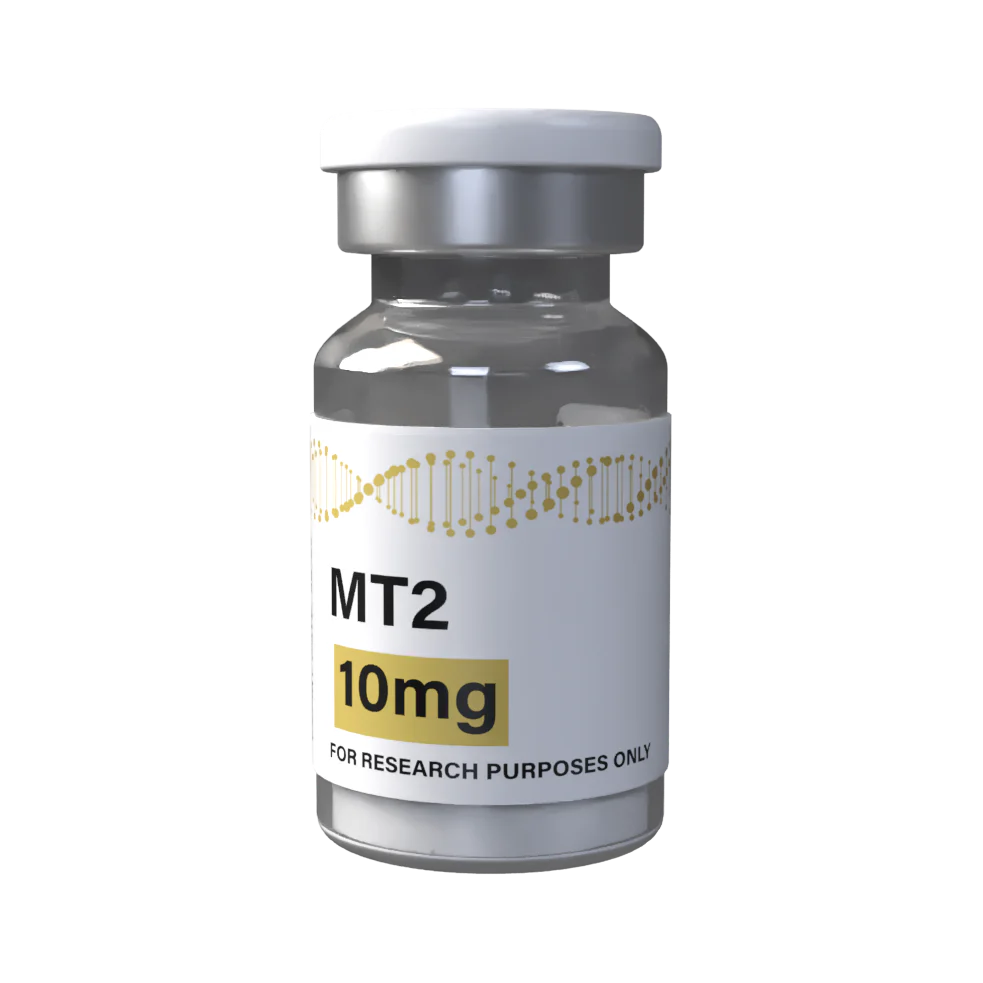
Get Research-Grade MOTS-C
99%+ purity · US-based · third-party lab tested
Getting Started — Here's What You'll Need
Effects
Exercise Mimetic
AMPK activation produces metabolic adaptations similar to endurance exercise.
Insulin Sensitivity
Improves glucose uptake independent of insulin signaling.
Fat Oxidation
Enhanced fatty acid burning through ACC phosphorylation and CPT-1 activation.
Mechanism of Action
MOTS-C (Mitochondrial Open Reading Frame of the Twelve S rRNA type-C) is a 16-amino-acid peptide encoded in the mitochondrial genome within the 12S rRNA gene. Its discovery in 2015 by Dr. Changhan David Lee at USC was groundbreaking because it demonstrated that the mitochondrial genome encodes functional peptides beyond the 13 oxidative phosphorylation subunits traditionally recognized — establishing mitochondria as endocrine organelles capable of producing signaling hormones.
MOTS-C's primary metabolic mechanism centers on activation of AMP-activated protein kinase (AMPK), the cell's master energy sensor. MOTS-C activates AMPK by increasing the AMP/ATP ratio through inhibition of the folate cycle and de novo purine biosynthesis pathway. Specifically, MOTS-C inhibits the folate/methionine cycle enzyme ATIC (5-aminoimidazole-4-carboxamide ribonucleotide formyltransferase), leading to accumulation of the intermediate AICAR — which is itself an endogenous AMPK activator. This creates a feed-forward AMPK activation signal.
Activated AMPK triggers a cascade of metabolic adaptations that mimic exercise: increased glucose uptake via GLUT4 translocation (independent of insulin signaling), enhanced fatty acid oxidation through ACC phosphorylation and CPT-1 activation, stimulation of mitochondrial biogenesis via PGC-1α, and suppression of mTORC1-mediated protein synthesis to conserve energy. Under metabolic stress, MOTS-C translocates from the cytoplasm to the nucleus — a remarkable feat for a mitochondria-encoded peptide — where it directly regulates nuclear gene expression by interacting with antioxidant response elements (AREs) and NF-κB target genes. This nuclear translocation represents a novel mechanism of mitonuclear communication — the mitochondria literally sending a peptide messenger to the nucleus to coordinate the cellular stress response. MOTS-C levels decline with age in humans, correlating with the age-related decline in metabolic fitness, insulin sensitivity, and exercise capacity, making it a compelling target for metabolic aging intervention.
Regulatory Status
Not FDA approved. Active academic research (USC, others). No clinical trials registered. Available through research peptide suppliers.
Risks & Safety
Common
reactions at the injection site, mild fatigue.
Serious
limited human safety data, most evidence from lab and animal studies; no long-term data on chronically activating the energy-sensing pathway.
Rare
allergic reactions.
Compare MOTS-C With
Research Papers
31Published: February 4, 2026
AI Summary
Supplementing MOTS-c during the return from high altitude helped reverse heart damage in mice by clearing damaged mitochondria. Lower MOTS-c levels were also seen in people with altitude-related heart disease, pointing to a potential treatment for cardiac problems after high-altitude exposure.
Published: January 27, 2026
AI Summary
In isolated rat hearts, a dose of 0.5 mg/kg MOTS-c given at reperfusion cut heart tissue death by 73% and improved heart function. The peptide reduced oxidative stress, inflammation, and cell death pathways, suggesting it could help protect the heart after a heart attack.
Published: February 23, 2026
AI Summary
Combining CAR-T therapy with anticancer peptides like MOTS-c and nanomedicine may improve outcomes in advanced liver cancer. The review outlines how these approaches target tumour metabolism and the immune environment to boost treatment response.
Published: March 1, 2026
AI Summary
Circulating MOTS-c was higher in adults with obesity and linked to metabolic and inflammatory markers, and did not change after weight loss. This suggests MOTS-c may reflect metabolic dysregulation in obesity rather than body weight alone.
Published: January 31, 2026
AI Summary
Mitochondria-derived peptides like Humanin, MOTS-c, and SHLPs help maintain liver health by supporting mitochondrial function and metabolism. The review highlights their potential as treatments for fatty liver disease and liver fibrosis.
Published: January 8, 2026
AI Summary
MOTS-c improved muscle mitochondrial energy production and reduced oxidative stress in mice, acting through PGC-1α and AMPK. These effects suggest the peptide could help maintain muscle health and metabolic function.
Published: November 29, 2025
AI Summary
Serum MOTS-c levels were evaluated as a possible marker of treatment response in newly diagnosed multiple myeloma. The study explored whether MOTS-c could help predict how patients respond to therapy.
Published: January 12, 2026
AI Summary
A nanocomposite combining MOTS-c with antioxidant black phosphorus reduced muscle loss and improved mitochondrial function in aged mice with sarcopenia. The treatment activated protective pathways and reduced oxidative stress, offering a potential therapy for age-related muscle decline.
Published: November 8, 2025
AI Summary
Blood and plasma levels of Humanin and MOTS-c transcripts were lower in Alzheimer's patients than in controls, while protein levels did not differ. These peptides may serve as early biomarkers for Alzheimer's disease.
Published: January 20, 2026
AI Summary
Giving MOTS-c to pregnant mice reduced placental damage and fetal growth restriction caused by low oxygen, partly by activating the Nrf2 antioxidant pathway. The findings point to a possible treatment for growth restriction during pregnancy.
Published: November 30, 2025
AI Summary
Low MOTS-c from damaged mitochondria may contribute to diabetes and its complications. The review summarizes how MOTS-c relates to diabetes risk factors and heart damage, and outlines potential therapeutic uses.
Published: December 15, 2025
AI Summary
MOTS-c reduced cartilage breakdown and inflammation in mouse osteoarthritis by improving mitochondrial function and dampening inflammatory cell death. The peptide slowed disease progression, suggesting a possible treatment for joint degeneration.
Published: September 25, 2025
AI Summary
The study examined MOTS-c levels in people with and without obesity and their links to insulin resistance, blood vessel function, and inflammation.
Published: August 18, 2025
AI Summary
Exercise triggers communication between muscle and fat that supports metabolic health, and compounds like MOTS-c may mimic some of these benefits. The review proposes a framework for preserving metabolic flexibility as people age.
Published: August 24, 2025
AI Summary
MOTS-c treatment reduced aging of insulin-producing cells in mouse pancreases and improved blood sugar control in diabetic models. Lower MOTS-c in people with type 2 diabetes suggests the peptide could help delay or prevent diabetes.
Published: August 14, 2025
AI Summary
Higher levels of serum angiopoietin 2 and cystatin C were linked to acute coronary syndrome, and using both markers together improved early detection compared to either alone.
Published: July 28, 2025
AI Summary
Chicken and other birds have a MOTS-c-like peptide that differs slightly from mammals but is expressed in similar tissues and may regulate metabolism. Fasting reduced its levels in the heart, supporting a metabolic role.
Published: August 5, 2025
AI Summary
A panel of Humanin, MOTS-c, GAS5, and certain microRNAs helped distinguish benign prostate conditions from precancerous lesions and prostate cancer. The combination could improve non-invasive risk assessment.
Published: August 4, 2025
AI Summary
MOTS-c protected the brain in septic mice by strengthening the blood-brain barrier and reducing inflammation. The peptide may help limit brain injury during severe infection.
Published: December 25, 2025
AI Summary
Humanin, MOTS-c, and related peptides may protect against Alzheimer's, Parkinson's, and Huntington's by reducing toxic proteins and oxidative stress. The review outlines their promise and the research still needed.
Published: September 16, 2025
AI Summary
Mitochondria-derived peptides like Humanin and MOTS-c may help counter the inflammation and oxidative stress that drive Parkinson's. Exploring these pathways could lead to new disease-modifying treatments.
Published: November 30, 2025
AI Summary
Repeated heat exposure was studied for its effect on MOTS-c and FGF21 levels during leg immobilization, to see if heat therapy could mimic exercise benefits on muscle.
Published: June 29, 2025
AI Summary
The study investigated whether MOTS-c improves heart function in type 2 diabetes by restoring mitochondrial energy production.
Published: September 2, 2025
AI Summary
Injecting MOTS-c into rats during leg unloading prevented muscle fatigue, slowed the shift from slow to fast muscle fibers, and reduced muscle wasting. The peptide supported protein balance and mitochondrial genes.
Published: June 19, 2025
AI Summary
Mitochondria-derived peptides help protect blood vessels from aging by reducing inflammation and oxidative stress. The review discusses their potential as treatments and biomarkers for age-related heart and vessel disease.
Published: July 24, 2025
AI Summary
People with obstructive sleep apnea had lower MOTS-c levels, and the more severe the apnea, the lower the levels. MOTS-c may be a useful marker or treatment target for sleep apnea and its metabolic effects.
Published: July 25, 2025
AI Summary
Abstract too short to summarize.
Published: June 21, 2025
AI Summary
MOTS-c reduced oxidative damage in disc cells and was incorporated into a hydrogel to support stem cells in degenerated discs. The approach may offer a new way to treat disc degeneration.
Published: June 5, 2025
AI Summary
In isolated rat and pig pancreatic islets, MOTS-c reduced insulin and glucagon release and improved cell survival. Effects differed between species, suggesting pigs may be a useful model for human studies.
Published: May 26, 2025
AI Summary
MOTS-c and aerobic exercise both reduced liver fibrosis in diabetic rats by activating antioxidant pathways and suppressing fibrotic signaling. The peptide may offer an exercise-mimicking option for diabetic liver disease.
Published: February 11, 2026
AI Summary
Abstract too short to summarize.
Frequently Asked Questions
What is MOTS-C?
A small peptide that comes from your mitochondria (the energy factories in your cells). It acts like an 'exercise mimetic' — it can produce many of the metabolic benefits of working out without actually exercising, such as improving how your body handles sugar and burns fat. Discovered in 2015, it was one of the first signaling molecules found to be encoded by mitochondrial DNA rather than the main DNA in your cell nucleus.
What is MOTS-C used for?
A small peptide that comes from your mitochondria (the energy factories in your cells). It acts like an 'exercise mimetic' — it can produce many of the metabolic benefits of working out without actually exercising, such as improving how your body handles sugar and burns fat. Discovered in 2015, it was one of the first signaling molecules found to be encoded by mitochondrial DNA rather than the main DNA in your cell nucleus.
What is the dosage for MOTS-C?
Research: 5-10 mg subcutaneous three to five times weekly. No established clinical dosing protocol. Often cycled 4-8 weeks on, 2-4 weeks off.
What are the side effects of MOTS-C?
Common: reactions at the injection site, mild fatigue. Serious: limited human safety data, most evidence from lab and animal studies; no long-term data on chronically activating the energy-sensing pathway. Rare: allergic reactions.
How does MOTS-C work?
MOTS-C (Mitochondrial Open Reading Frame of the Twelve S rRNA type-C) is a 16-amino-acid peptide encoded in the mitochondrial genome within the 12S rRNA gene. Its discovery in 2015 by Dr. Changhan David Lee at USC was groundbreaking because it demonstrated that the mitochondrial genome encodes functional peptides beyond the 13 oxidative phosphorylation subunits traditionally recognized — establishing mitochondria as endocrine organelles capable of producing signaling hormones. MOTS-C's primary metabolic mechanism centers on activation of AMP-activated protein kinase (AMPK), the cell's master energy sensor. MOTS-C activates AMPK by increasing the AMP/ATP ratio through inhibition of the folate cycle and de novo purine biosynthesis pathway. Specifically, MOTS-C inhibits the folate/methionine cycle enzyme ATIC (5-aminoimidazole-4-carboxamide ribonucleotide formyltransferase), leading to accumulation of the intermediate AICAR — which is itself an endogenous AMPK activator. This creates a feed-forward AMPK activation signal. Activated AMPK triggers a cascade of metabolic adaptations that mimic exercise: increased glucose uptake via GLUT4 translocation (independent of insulin signaling), enhanced fatty acid oxidation through ACC phosphorylation and CPT-1 activation, stimulation of mitochondrial biogenesis via PGC-1α, and suppression of mTORC1-mediated protein synthesis to conserve energy. Under metabolic stress, MOTS-C translocates from the cytoplasm to the nucleus — a remarkable feat for a mitochondria-encoded peptide — where it directly regulates nuclear gene expression by interacting with antioxidant response elements (AREs) and NF-κB target genes. This nuclear translocation represents a novel mechanism of mitonuclear communication — the mitochondria literally sending a peptide messenger to the nucleus to coordinate the cellular stress response. MOTS-C levels decline with age in humans, correlating with the age-related decline in metabolic fitness, insulin sensitivity, and exercise capacity, making it a compelling target for metabolic aging intervention.
How is MOTS-C administered?
MOTS-C is administered via subcutaneous injection.
What is the half-life of MOTS-C?
The half-life of MOTS-C is 4-8 hours.
Is MOTS-C legal?
Not FDA approved. Active academic research (USC, others). No clinical trials registered. Available through research peptide suppliers.
Sources. This profile is built from peer-reviewed papers indexed on PubMed, FDA-approved labelling where available, and published clinical guidelines. The 31 primary sources used are listed in the Research Papers section above, each linked to its PubMed entry. See our editorial standards for how we research and review peptide profiles.
Last reviewed. by the Peptide Reference Editorial Team. Spot an error? Email a correction.
Not medical advice. Information on this page is for educational and research reference only. Many peptides covered are not approved for human use. See our full medical disclaimer.
Related Peptides
5-Amino-1MQ
A pill that aims to switch fat cells from 'storage mode' to 'burning mode' by blocking an enzyme (NNMT) that is overactive in the fat tissue of overweight people. Not technically a peptide, but commonly sold alongside them. Unlike appetite suppressants, this targets the fat cells directly rather than making you eat less. The science is promising in lab studies, but there are no completed human trials yet.
AEDG Peptide
A tetrapeptide (Ala-Glu-Asp-Gly) identical to Epithalon's core active sequence — effectively the same compound. Studied for telomerase activation and pineal gland regulation, promoting melatonin production and potentially slowing cellular aging through telomere maintenance. Part of the Khavinson bioregulator peptide family developed in St. Petersburg.
AICAR
A natural compound that activates your cells' energy sensor — the same pathway that turns on during exercise. Mimics the metabolic effects of endurance exercise at the cellular level, helping with fat burning, glucose uptake, and building more mitochondria. Banned by WADA as a metabolic modulator after detection in professional cycling.
AT7687
A novel obesity drug from Danish biotech Antag Therapeutics that takes a completely different approach — instead of suppressing appetite like all the GLP-1 drugs, it stops fat from being stored in the first place by blocking the GIP receptor in fat cells. First-in-human Phase 1 trial completed in 2026 showed it is well tolerated, with mild GI side effects, and produced reductions in LDL cholesterol and resting heart rate alongside weight loss signals.